Discover the Mystical Rwenzori
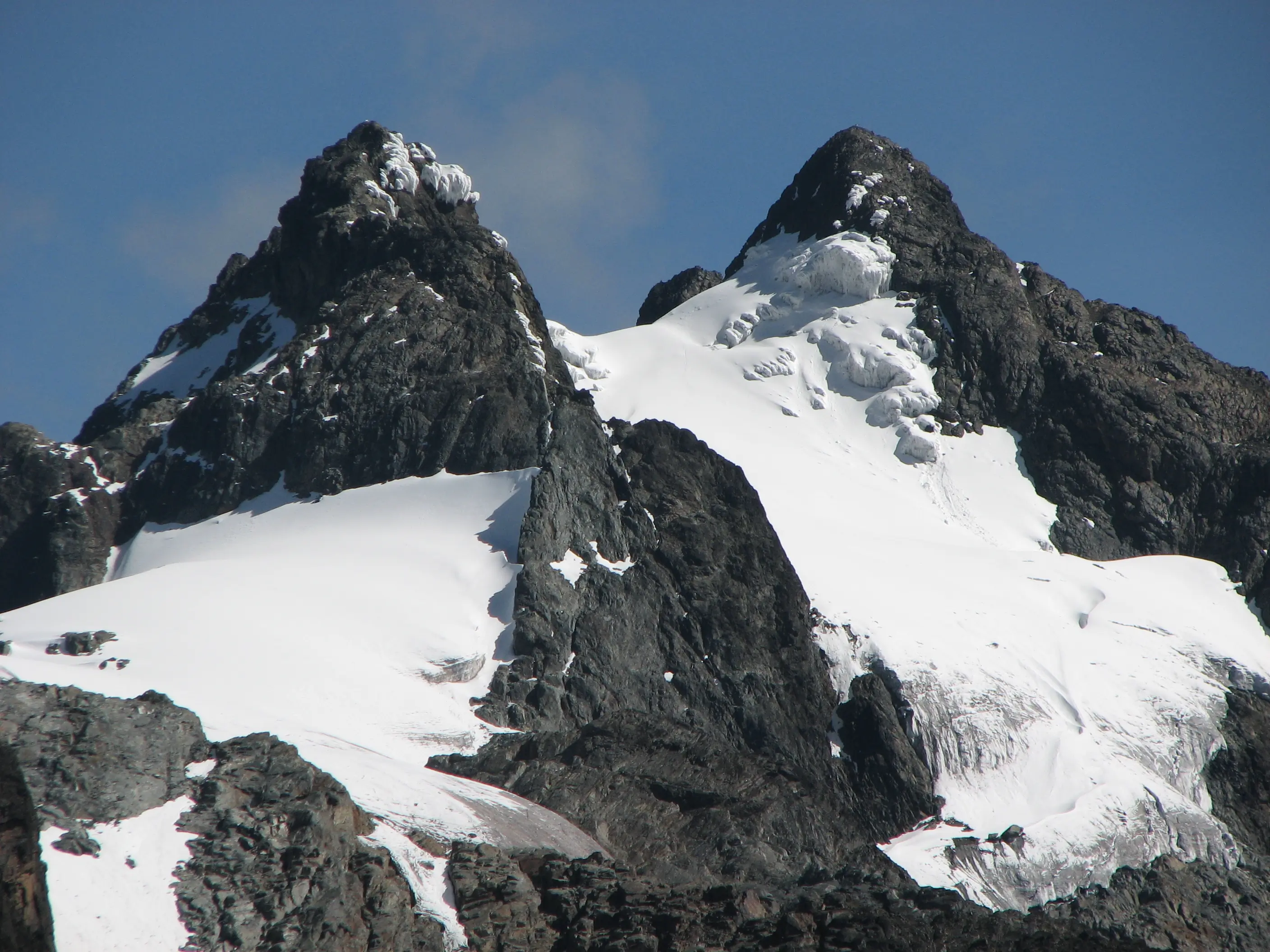
The Rwenzori Mountains National Park protects the legendary "Mountains of the Moon" — a UNESCO World Heritage Site and Africa's highest mountain range. Unlike Kilimanjaro's solitary peak, the Rwenzori is a 120-kilometer-long mountain range with six glaciated massifs, the highest being Mount Stanley's Margherita Peak at 5,109 meters.
Ptolemy first mentioned these "Mountains of the Moon" in 150 AD as the legendary source of the Nile. The range straddles the Uganda-DRC border, with the Ugandan side offering the most accessible routes. The mountains are famous for their unique Afro-alpine flora — giant lobelias, groundsels, and heathers that look like they belong in a science fiction film.
The Rwenzori offers the most challenging and rewarding trekking experience in Africa. Unlike Kilimanjaro's well-maintained paths, Rwenzori treks involve bogs, swamps, scrambling, and sometimes glacier travel. It's not for beginners, but for experienced hikers seeking an authentic mountain adventure, it's unparalleled.
Rwenzori Trekking Routes
Challenging treks through otherworldly landscapes
Central Circuit
The classic 7-8 day trek that circles the central massifs without summiting Margherita Peak. Offers spectacular views, unique flora, and challenging bogs — perfect for those wanting the Rwenzori experience without the high-altitude summit.
Margherita Peak Summit
The ultimate Rwenzori achievement — a 9-10 day expedition to Margherita Peak (5,109m), Africa's third highest point. Involves scrambling, glacier travel, and extreme conditions. For experienced mountaineers only.
Nature Walks
Shorter 1-3 day treks into the lower slopes. Accessible to casual hikers, these walks showcase the stunning bamboo forests, waterfalls, and lower-elevation flora without the extreme challenges of high-altitude trekking.
Otherworldly Flora & Vegetation Zones
Giant Lobelias (Lobelia wollastonii)
These prehistoric-looking plants grow up to 6 meters tall on the higher slopes. Their unique structure protects them from freezing temperatures — a remarkable adaptation found only in East Africa's high mountains.
Giant Groundsels (Dendrosenecio)
Looking like something from Jurassic Park, these ancient plants are distant relatives of garden daisies but have evolved into towering trees with water-storing leaf rosettes to survive freezing nights.
Vegetation Zones
Montane forest → Bamboo zone → Heather-rapanea zone → Afro-alpine moorland → Glacier zone. Each zone offers distinct flora, from moss-draped forests to surreal giant heathers.
Glaciers & Snowcaps
The Rwenzori's permanent glaciers and snowfields are a rare sight on the equator. Due to climate change, they are retreating rapidly — making a visit increasingly urgent to witness this disappearing wonder.
Wildlife & Unique Features
Beyond the spectacular scenery
Mammals
Forest elephants (rare), chimpanzees (lower slopes), blue monkeys, black-and-white colobus, bushbucks, and elusive leopards reported at higher elevations.
Bird Species
217 species including 17 Albertine Rift endemics like the Rwenzori turaco, handsome francolin, and golden-winged sunbird.
Endemic Flora
Over 70 Albertine Rift endemic plant species, including the giant lobelias and groundsels found nowhere else on Earth.
Glaciers & Lakes
Several permanent glaciers on Mounts Stanley, Speke, and Baker. Beautiful crater lakes including Lake Kitandara and Lake Bujuku.
Best Time to Visit the Rwenzori
The best time for Rwenzori treks is during the drier months: June to August and December to February. During these windows, trails are less muddy, bog crossing is easier, and views from the summit are clearer.
The wet seasons (March-May and September-November) make the famously muddy Rwenzori bogs even more challenging. Only experienced trekkers should attempt summit attempts during this time.
Be prepared for rain ANY time of year — the Rwenzori creates its own weather. Even in "dry" season, expect afternoon showers. Pack proper waterproof gear regardless.
Month-by-Month Guide
Rwenzori Trekking Packages
For experienced hikers seeking the ultimate challenge
Packages coming soon. Contact us for custom Rwenzori trekking itineraries.
Inquire NowFrequently Asked Questions
Prepare for the ultimate African mountain adventure
How does Rwenzori compare to Kilimanjaro?
Kilimanjaro is higher (5,895m vs 5,109m) but Rwenzori is more challenging. Rwenzori involves bogs, scrambling, and possible glacier travel (technical experience needed for Margherita). Kili has better trails and infrastructure. Rwenzori is for experienced hikers seeking an authentic, untamed adventure.
Do I need mountaineering experience?
For the Central Circuit: good fitness and hiking experience are sufficient. For Margherita Peak: prior scrambling and glacier travel experience is strongly recommended. You'll be roped up on the glacier, so comfort with exposure and basic crampon use is important.
What makes the flora so special?
The Rwenzori has the most unique Afro-alpine flora in Africa, including 6-meter-tall giant lobelias and giant groundsels found nowhere else. These otherworldly plants have evolved remarkable adaptations to survive freezing nights on the equator — you'll feel like you're on another planet!
What gear do I need for Rwenzori?
Waterproof boots (essential — bogs!), warm layers (temperatures drop below freezing at night), rain gear, gloves, hat, sun protection, sleeping bag (rated to -10°C/14°F), trekking poles, headlamp. For Margherita: crampons, ice axe, harness (can be rented).
Are there still glaciers on the Rwenzori?
Yes, but they're disappearing rapidly due to climate change. Mount Stanley still has several glaciers, including the Stanley Glacier. Scientists predict they may disappear within 2-3 decades, making a Rwenzori trek increasingly urgent for those wanting to see equatorial glaciers.
What is the success rate for Margherita Peak?
Approximately 60-70% for experienced climbers. The main challenges are altitude (5,109m), weather (can turn bad quickly), and physical endurance. Proper acclimatization, fitness, and determination are key. Those who fail usually turn back due to altitude sickness or exhaustion.
Ready to Conquer the Mountains of the Moon?
Book your Rwenzori trekking adventure with Enshama Safaris — the ultimate challenge for serious mountain enthusiasts